LinkedInUnderstanding cultures: Germany and the US
That’s not a translation problem. That’s a cultural intelligence problem.
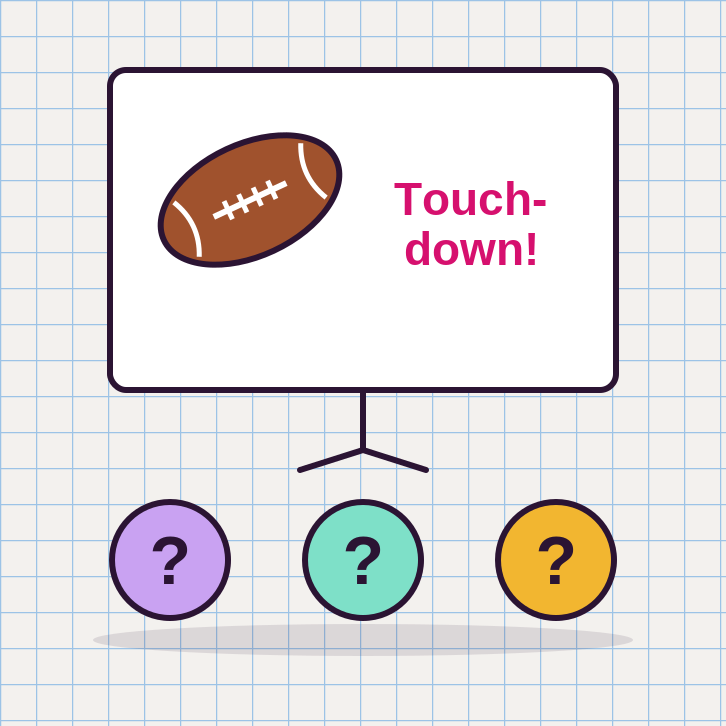
One that still stays with me: a communication sent to German clients built around an American football narrative. The clients read it in silence. Not because they disagreed – because they had no idea what it meant.
That’s not a translation problem. That’s a cultural intelligence problem.
Germany sits at the heart of Europe, bordered by 9 countries. Medieval German cities had one thing in common: a city wall. Not as decoration. As survival. That instinct – verify before you trust – is centuries of lived experience, written into the culture.
Touchdown?Verify before you trust
The companies that succeed here are not the ones with the best product. They’re the ones who did the homework.
1. Change is suspicious until proven necessary
Germany scores 65/100 on Hofstede’s Uncertainty Avoidance Index – the US scores 46. That gap explains more failed expansions than any product issue. Present a project without addressing the risks – and that becomes the topic. Not your idea.
2. Time is respect – and so is clarity
German punctuality is rooted in Prussian discipline and the Industrial Revolution. Being late signals disrespect. Unclear messaging does too. Be prepared or don’t show up.
3. Sugar coating kills the message
A German doesn’t hear feedback inside positive framing – they conclude everything is fine. My husband once reviewed something I’d worked on for weeks. His verdict: “Das ist gar nicht so schlecht.” (“That’s not bad at all.”) That was a 10 out of 10. The absence of criticism is the highest form of approval.
4. Expertise overrides hierarchy
Germans will challenge their managers – but only with data to back it up. It’s not about rank. It’s about substance. US companies that read this as disorganisation miss one of Germany’s greatest strengths.
5. Principles first, not superlatives
“World-class solution” means nothing. The detailed numbers behind it mean everything. Germans start with the reasoning. Americans start with the outcome. Only one works in Germany.
The biggest mistake?
English-only communication, built on American cultural references, delivered with enthusiasm instead of proof.
Who’s writing here? My professional self: Christiane Sevenich, 30+ years of working life, most recently Director of Customer Success. This text first appeared on LinkedIn. More about me
 DE
 EN
 FR